
I knew a man who of a man who struggled most of his life with addiction, broken relationships, chronic car trouble, debt, and health issues. He and his wife worked very hard to make ends meet. Nothing came easily to them. Because there were no rich relatives, no financial windfalls they scratched out life as best they could. Because of the many difficulties they faced, they were constantly being strengthened. When his spouse died suddenly, he lost her much-needed income and his ability to make ends meet.
The man’s circle of influence wondered what would become of him. They all wanted to do more for him than they were able. Being of limited means, they instead encouraged him and checked in and did what they could. The man corrected his thinking and began pursuing ways to ends meet his financial needs on his own. Within six months, he’d gotten a sizeable increase in pay. He took hold of his health and paid off all his debt. He managed to increase his credit score so much that he qualified to buy a new home in a nicer neighborhood.
I heard of another man to whom everything came easy. He was lavished with expensive gifts while growing up. He married and had children. When he and his wife desired to buy a new home, it was just out of reach. The man’s father gave them a substantial sum of money to purchase. For work he took a higher paying position, with bonuses. Some years later, despite having an excellent job, a specific vehicle the man desired was out of his price range. Again, the man’s father stepped in and provided the money.
One day, the son lost his job. Within six months, he was facing the loss of his car, the home, his wife and family. Instead of regrouping and finding a new job, he seemed to be waiting to be rescued. His health suffered, and everyone around him suffered. The father did not step in to rescue his son.
The risk in “rescuing” people outside of a life and death situation is that it raises an expectation to be rescued in the future. Waiting for others to rescue us from our consequences often results in the abdication of responsibility. The crises at hand is not the problem, as much as the behavior that lands us in that situation.
Which is Better?

When my husband and I found ourselves in financial trouble ten years into our marriage, I would have loved nothing more than to be rescued. What got us in trouble wasn’t a singular event but a chronic cycle of overspending and a lack of workable contingency plans. Without changing the behavior that caused financial problems, our mindset would only continue to cause financial problems no matter how many times we were rescued. Overspending always results in debt whether you make 100k or 100m.
Being rescued bypasses the important step of taking responsibility for our behavior. It rewards bad behavior. Rescue delays the process of having to evaluate a mindset that isn’t reasonable. Dealing with the consequences of our actions often sparks the desire for change. Just as rescue often circumvents responsibility, resilience allows us to seek solutions and better manage whatever life throws at us.
Tapping Divine Advantage
Despite good intentions and best-laid plans events will occur that challenge us. In my soon-to-be-published book, Q-Thartik: Unlock the Sovereignty of Your Mind, I share a story about the time my twenty-year-old car got a flat while I was driving. Within a short amount of time, my rent would also be due. As a then struggling single mom, I reached out to a friend for advice and she directed to the benevolence ministry at our congregation. During the conversation with the benevolence minister, I shared my pressing concern about the tire and also the upcoming rent.
“We can do one or the other, but we can’t do both.” The reason being they weren’t able to become a consistent source. Basically their policy was to rescue within certain parameters, but the ministry couldn’t be subsistence. I understood their position. “So, you choose which one you think is most pressing.”
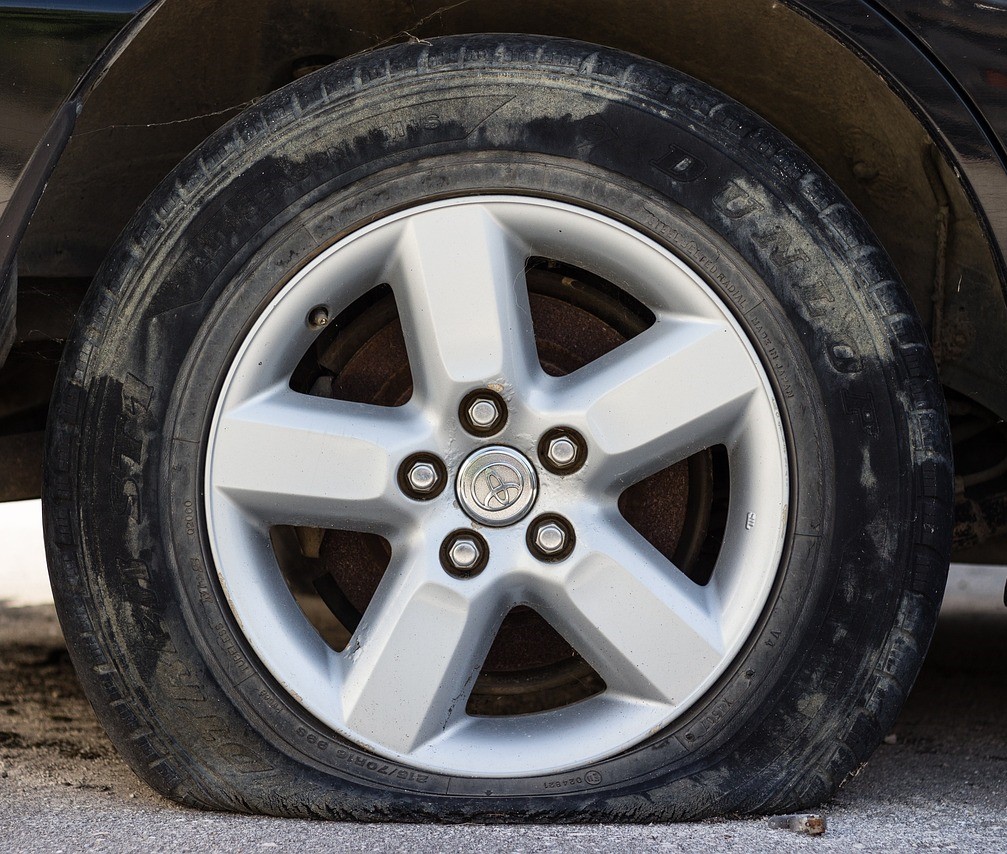
At the time I was learning to do what some (even among believers) considered crazy: Learning to trust God. I shot up a quick prayer to the Almighty. His answer was immediate, and I shared it with the benevolence minister.
“I choose to have the tire replaced.” The minister was flabbergasted.
“I thought for sure you would say rent! Why in the world would you choose the tire?”
“If you pay my rent, I’ll need rent again next month. I still won’t be able to use my car. But with a tire, I have access to opportunities. I’ll trust God to help me make rent.”
Trusting in God always looked like the most insane thing to do, but this very leap of faith accesses Divine Advantage. At that time trusting God was a new experience, and I wasn’t sure it would work. Every month was a test of my faith, but it taught me that if I do all I can, God will indeed do the rest. And He always faithfully stepped in.
To their credit, the benevolence ministry admired my faith in God and insisted on replacing all four tires.
Trusting in The Almighty is another form of resilience. The rent was paid that month and continued to be for the next four years. My phone rang with odd jobs, or some other opportunity miraculously appeared—not when I wanted it, but always when I needed it.
Do you remember a time when your actions caused a problem in your life? How did you resolve it? What was your takeaway? Have you ever experienced Divine Advantage? Share your comments in the box below. I’d love to read all about it.

 Juli Ocean