
How is your new year starting out? Did you have any favorite highlights from 2025? What do you hope to accomplish in 2026?
A quick shout out to some long-time followers: Karyl, Sue H-m, mage1999, Mike, and Tony Self. I’m happy to see you all!
Right now on my slab of the concrete jungle, we’re enduring day ten of persistent cloud cover. But I think it’s going to be a beautiful, sunny day.
I heard not long ago that China announced plans to launch an artificial sun. First, how does anyone launch a sun? And second, from what do you create it? If they get it to orbit, where exactly will it be orbiting? What’s holding it up?
Regardless of what’s happening here, I hope it’s warm and sunny where you are. But when it isn’t, how do you occupy your days now that the holiday frenzy is over? My Secret Weapon is Expanded Thinking keys. Because they work so well for me, I wanted to share some of them here.
#1 Read books and stories and news every day. As days run shorter and weather turns colder, I tend to run through books like water. Diving into a story is a fantastic perspective changer. You can walk in someone else’s shoes, become more empathetic, increase awareness, expand your knowledge and learn new problem-solving skills. If I read 100 books a year, easily a third of them are read in winter.
#2 Write to increase your memory and problem-solving abilities. I’m a huge advocate of this. I write something every day. I prefer writing long hand with a pen in hand on actual paper because I’ve noticed a huge difference in my mental processing as contrasted with typing. (Do what works best for you.) Many therapists recommend keeping a journal. What will you write about? Write gratitudes. Collect interesting photos from magazines and write stories about them. When you’re super upset, write it all out. I promise you, you will feel a big difference. A friend of mine started writing and stopped having migraines every week. Pennebaker study

#3 Perform scientific experiments in your own home. You don’t need a chemistry lab if you have a kitchen. My very first batch of kimchi was an experiment I expected to fail. It turned out to be so delicious—and improved my brain and gut health and immune system—that I’ve been making my own cultured foods for over eight years. Many vegetables (and fruits!) can be fermented to heighten flavor profiles. Preserved lemons add a welcome zingle to hummus, salad dressings and rice dishes. Cultured vegetables have been adding pizzazz to plates for centuries. The Shockey’s Fermented Veggies book is available in most public libraries.
#4 Break the problem I once had a sourdough starter. I didn’t know when I accepted it how much attention it would need. I wasn’t able to make bread every week and the starter eventually went bad. I recently revisited sourdough starter when I learned how to “park” it (for months!) until I really needed it. Making the actual sourdough bread was far more involved than I was able to commit to. but I did like the flavor. So I decided to research additional ways it could be used without making bread. Since then, I’ve made delicious cherry chocolate biscotti, herb and salt crackers, amazing flatbreads, as well as sweet and savory pancakes. (Savory pancakes was new for me, too.)
#5 Fill your knowledge gaps. Kamut is an ancient grain with a beautiful a golden hue and nutty top notes not found in whole wheat. Kamut absorbs more water and is more dense when used alone. Where I was unable to tolerate the wheat grown in our country, this grain had no unwanted side effects. Even though it’s an ancient grain it isn’t yet getting the attention it deserves. The down side of that is, there weren’t many recipes explaining how to use it outside of making bread. Most bakers required the addition of other (problematic) common white flours. By studying bread baking sites, I discovered that using baking powder with sourdough added the perfect amount of lightness to my recipes. This is important because I almost never have packages of yeast.
#6 Practice engaging all your senses with mindfulness. During frenzy season I check in with my body and mind frequently. I go where it’s quiet and get still. Then I run through a check list: What am I thinking right now? Where am I holding tension? How am I breathing? What am I listening to? What am I looking at? I really tune into my my body and then my environment.
I sometimes catch myself in a thought loop. If I don’t like the track my mind is on, I change what I’m thinking about. I notice where the tension is being held in my body and intentionally release it. I take ten to fifteen deep breaths; Sometimes I hold it as long as is comfortable to let the oxygen really soak in. Certain sounds are very calming or invigorating depending on the need at the moment. I ask myself what I need to hear. Strangely enough, I sometimes like café sounds. Sometimes I need a softer environment. Think of it as the difference between hard and soft furniture. Putting a pleasant image in front of my eyes (or my mind’s eye) can quickly change my mood. I called them five-minute vacations. Open Google maps and drop yourself in a foreign country. Look up the images of some place you’ve never been before. This is more immersive when using a big screen. I follow world travelers on social media for this very reason. After scrolling thought photos, I feel refreshed. I’ve recently dragged out old photo albums and boxes of pictures but have also scrolled through pictures on my phone.
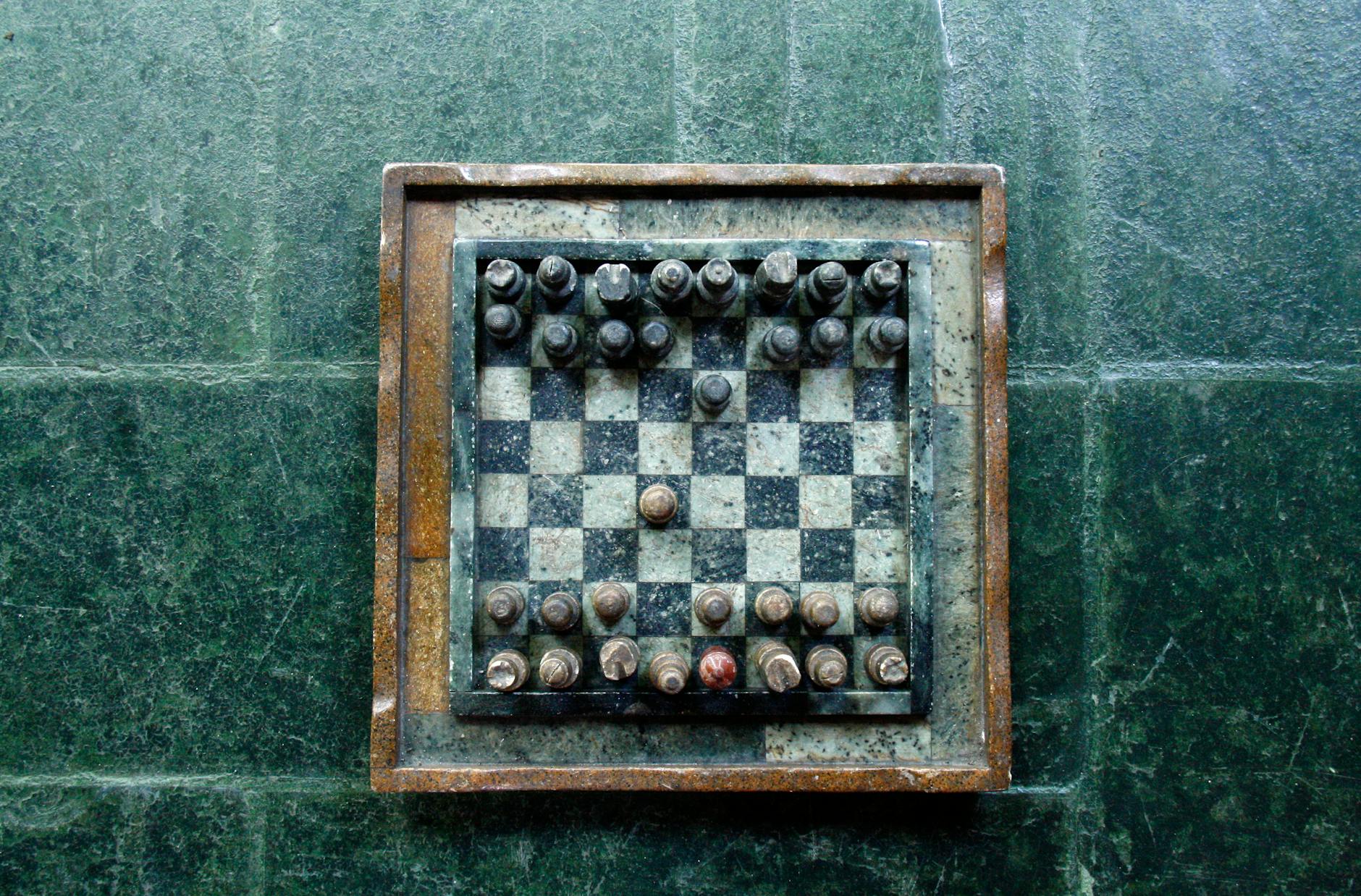
#7 Do puzzles and brain teasers. I enjoy a good game of chess. Sudoku wasn’t really my thing, and I don’t get publications with crosswords like I used to. As far as brainteasers go, I could use some new resources! So if this is an area you’re really into, please share some of your favorites.
#8 Think positively. The question was once asked of me, “If what you’re thinking right now came into existence at this moment, would it be what you really want?” At the time the answer was no. There’s a lot going on in the world, but my ruminating on it doesn’t change a thing. Changing the way I think about it could potentially solve a problem, or upgrade my mood, or lead me in a new direction. I used to be a negative person with negative thoughts ruling my mind. And I thought the world was a pretty dark place.
No one could change my mindset. I learned to be more mindful about my mind. It changed the trajectory of my life. You attract what you resonate with, and your thinking is the magnet. Take a risk! This morning I could have said, I don’t have anything to write about. But I didn’t. I said, I’m going to free write and see what comes to mind. That how I got the idea for this post. Try it! I just looked outside and you know what? The sun is breaking through!
Thanks for stopping by. I know you could be anywhere else, and I appreciate you following me. Please come again when I share Part 2 of this article. Until then, drop your comments below and keep warm!

 Juli Ocean