Life is filled with opportunities for conducting experiments. My first memorable experiment happened when my parents had moved our then small family into a new house. My mother had left a pair of tweezers lying around. I noticed an outlet on the wall at my level… would they fit? They did! And the shower of sparks that sprayed out of the wall—luckily didn’t kill me or burn the house down. Even though I got a nasty burn on my finger, the memory of that experiment—at eighteen months of age—taught me a valuable lesson, and a healthy respect for electricity ever since. The knowledge gained will not be wasted.
If you’ve been following me for a while, you may remember my early kimchi experiments. My daughter’s caesarian section required the subsequent use of antibiotics, which caused her biome to flatline and also that of her breastfeeding infant son. She was unable to digest food.
Coincidentally I had just made my first batch of kimchi for its probiotic effect. By introducing kimchi into her diet, she and her son recovered a stronger immune system within two weeks. Her son is thriving and now eight and a half years old.
My experimentation with cultured foods has increased. Have all turned out well? No. But the 98% success rate keeps me trying new ones.
The word experimentation implies a certain amount of risk and the possibility of failure. Not all experiments turn out well. A man testing a certain kind of ammo was injured when his gun exploded. A piece of shrapnel cut his carotid artery. Had his quick-acting father not been at the scene, the man would have bled to death.
Not many of my experiments are life and death. Normally, I avoid potentially explosive tests.
One fall, I experimented with making Tepache. In the heat of summer it ferments very quickly. In cooler temperatures, placing the jar on the water heater activated a very slow-brewing process. From that, I made vinegar just to see if I could. At first, it tasted very weird. I left it under the sink, capped and forgot about it for a year. When I tried it, the flavor was amazing.
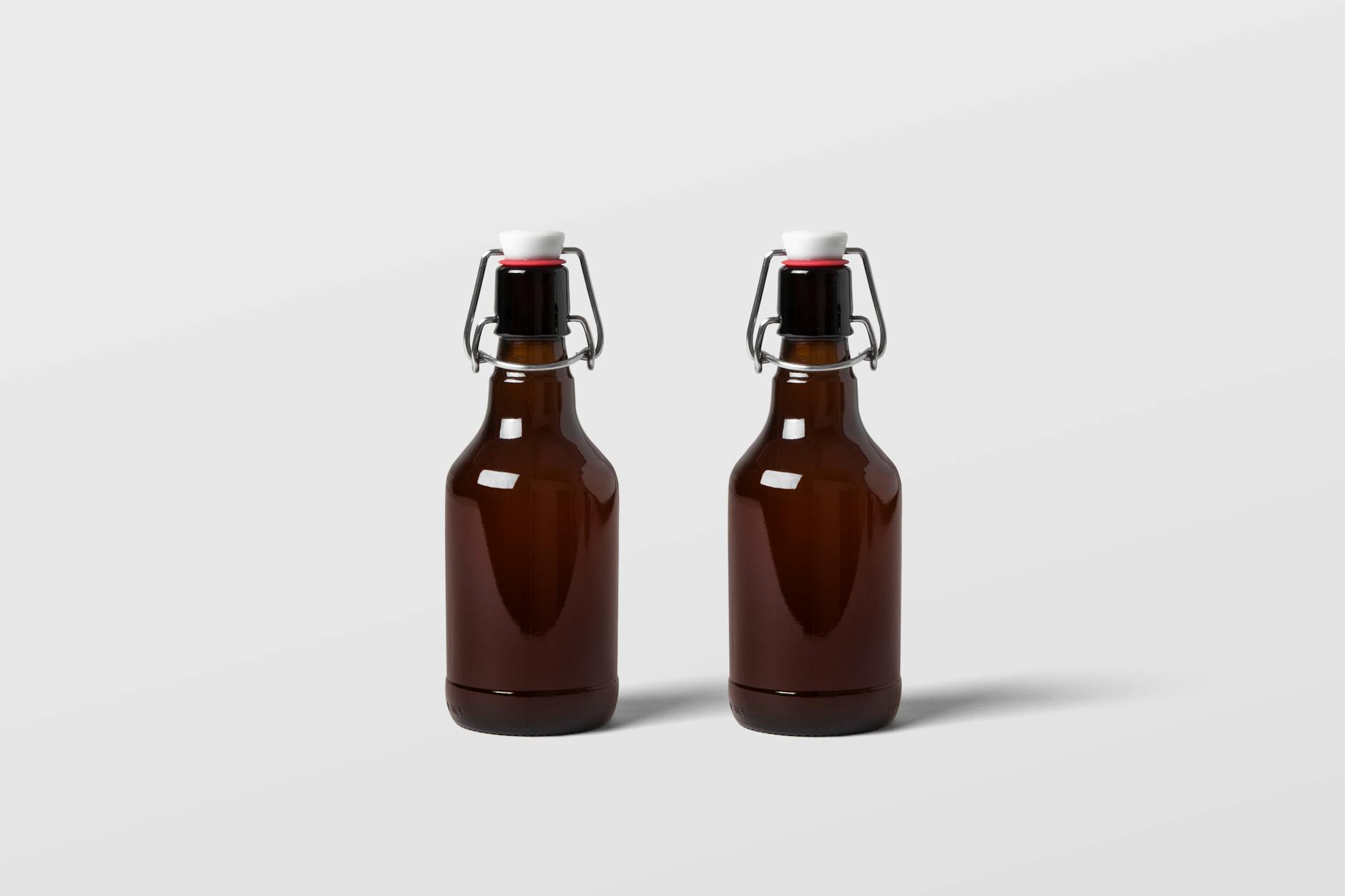
During the quick fermenting of a purple root kvass, I accidentally forgot to “burp” three swing top bottles before going to bed. The next morning, I went to open the first bottle. The noise was so loud I thought the lid was imbedded in the ceiling. Without it being securely attached, it surely would have been. I shouldn’t have shut my eyes, because what followed was a purple Mt. Vesuvius. And I still had two more bottles to go. (I’m still noticing spots over a year later.) I later learned that most explosions are from drink ferments, and the many ways to mitigate such potential threats.
My attempts at making sourdough starter have been very successful, sourdough bread, not so much. But I learned numerous ways to use “discard.”
After unsuccessful attempts at growing tomatoes on a patio, I moved containers to a second story deck. Protected from squirrels, I had my first crop of sun-ripened tomatoes.
I tried darning something knit… The short version is, I made it worse. My sister successfully made a pair of wool mittens from a thrift store sweater.
I want an experiment to succeed, but if it doesn’t, I still learn something. And, eventually, I’ll come up with another angle and try again.
What happens if I just go as far as I can? What doors or opportunities open up to me? You won’t know if you don’t try. An experiment fifteen years ago—to see if I could write a book—turned out to be the beginning of a new career path.
Can eyes be healed by doing eye exercises, sungazing, and not wearing sunglasses? How can an entire room of your house be heated with just one candle? Can you get free internet by creating a simple device? I encourage you to find out.
Your next experiment begins with a simple question: What happens if….? What are you curious about? What have you tried? What are your success stories? You don’t have to succeed to drop a comment below. I’m also interested in spectacular failures.
Of course any risks must be seriously assessed. It’s helpful to do a little (sometimes a lot) of research beforehand, and put safety measures in place. After all, people don’t win Darwin Awards for nothing.
Thanks for listening. If you have a minute, I’d love to hear from you.

 Juli Ocean